Biometric Attendance System
Introduction
Purpose: Automate and secure the attendance tracking process using biometric technology. Problem Statement: Traditional attendance systems are prone to errors, proxies, and inefficiencies. Applications: Offices, schools, colleges, and industries requiring attendance tracking.
Objectives
Ensure accurate and real-time attendance tracking. Eliminate manual errors and proxy attendance. Provide a secure and efficient system for recordkeeping and analysis.

Features
Biometric Authentication: Fingerprint, facial recognition, or iris scanning for identity verification. Real-Time Attendance: Instant recording and storage of attendance data. User-Friendly Interface: For both employees and administrators. Data Analysis: Generate reports (daily, weekly, monthly) for attendance patterns. Integration: Syncs with payroll systems or student record systems. Notification System: Alerts for absences, late arrivals, or policy violations.
System Architecture
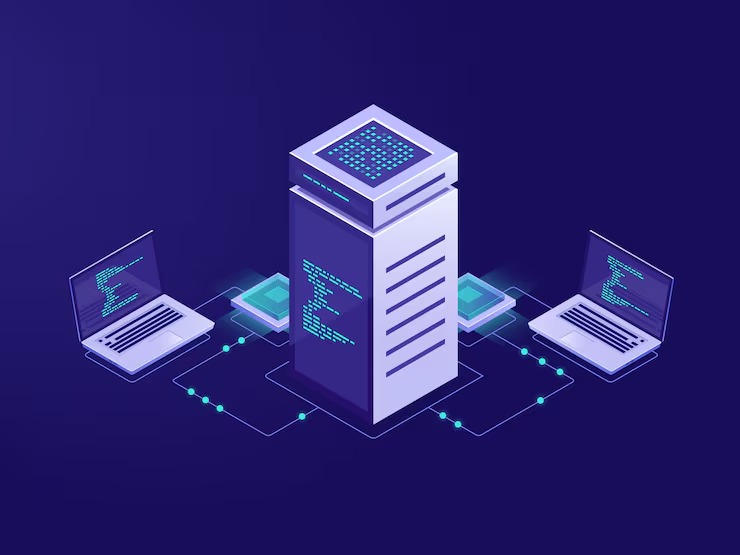
ardware Components: Biometric scanner (fingerprint, facial recognition, or iris scanner). Central processing unit or embedded system. Software Components: Attendance Management Software. Admin Dashboard for data visualization. User Mobile Application for notifications and records. Data Flow: User scans biometric → System verifies identity → Attendance is recorded → Data is synced with the central server → Admin dashboard updates. Include a system diagram to illustrate the architecture.

Technology Stack
Programming Languages: Python, Java, or C#. Frameworks: Django/Flask (backend), React/Angular (frontend). Database: MySQL, PostgreSQL, or Firebase. Hardware Integration: Biometric scanners from vendors like SecuGen, ZKTeco, or DIY Raspberry Pi solutions. APIs/Protocols: REST APIs for server communication and biometric SDKs for hardware integration. Encryption: AES or RSA for secure data storage.
Implementation Details
Modules: User Enrollment Module: Registers user biometric data securely. Authentication Module: Verifies user identity during attendance marking. Attendance Tracking Module: Records and stores attendance data. Reporting Module: Generates attendance summaries and detailed reports. Biometric Algorithms: Minutiae-based matching for fingerprints. Convolutional Neural Networks (CNN) for facial recognition.
Challenges and Solutions
Challenge: Biometric data storage security. Solution: Encrypt biometric data using secure algorithms like AES-256. Challenge: Hardware failures or malfunctions. Solution: Implement redundant systems and periodic hardware checks. Challenge: User accessibility issues (e.g., fingerprints not scanning).
Results and Future Scope
Results: proved attendance accuracy, reduced time spent on manual recordkeeping, and minimized proxy attendance. Future Scope: Integration with AI for behavior analysis. Compatibility with wearable biometric devices. Expansion into remote attendance systems using mobile devices.

Conclusion
Summarize the benefits of the biometric attendance system, including its contribution to efficiency, security, and ease of use